5 Supplements for the 3 p.m. Crash After 40 (Researched + Ranked)


The afternoon crash that hits between 2:30 and 3:30 is not laziness, not poor sleep, and not coffee withdrawal. It is a measurable shift in how your body handles post-meal glucose — estrogen used to act as an insulin sensitizer, and when it weakens, the post-lunch glucose curve overshoots. The overshoot lands as fog. Below: the 5 supplements women in their 40s are buying for this specific pattern, ranked against the human research.
Our top picks at a glance
| # | Supplement | Rating | Price | |
|---|---|---|---|---|
| #1 |
Berberine (standardized extract)
Best Overall for the Glycemic Crash
|
★★★★★ 4.3/5 | From $20 | Check price → |
| #2 |
More coffee or caffeine pills
What We Would Skip
|
★★★★★ 1.5/5 | $0-$30 | See review ↓ |
| #3 |
Sugary energy drinks
What We Would Skip
|
★★★★★ 1.0/5 | $3-$5/can | See review ↓ |
Berberine (standardized extract)
The single ingredient with the strongest post-meal glucose-curve data.
Paid link · affiliate disclosure
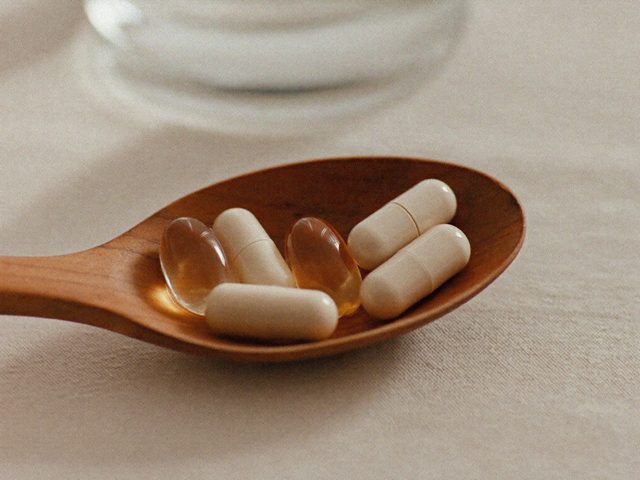
Berberine (standardized extract)
The single ingredient with the strongest post-meal glucose-curve data.
Best overall for the post-meal crash pattern: berberine. Research suggests berberine supports post-meal glucose regulation at meaningful doses in adult trials, which is the exact lever behind the 2:30-to-3:30 fog when estrogen's insulin-sensitizing effect weakens. It supports a steadier glucose curve; it does not treat or cure perimenopause. The honest trade-off: it works best taken with meals (typically split across the day), and brand quality varies, so look for a standardized extract from a reputable supplement brand.
What we like
- Strongest adult-trial data for the post-meal glucose curve in this category
- Inexpensive when standardized
- Single, well-characterized ingredient that is easy to evaluate
Tradeoffs
- Best taken with meals (often split dosing), which is harder to sustain
- Brand quality varies — look for a standardized extract
- Can cause GI symptoms at higher doses
More coffee or caffeine pills
Pushes alertness; worsens the underlying glycemic curve.
Afternoon coffee #2 or a caffeine pill at 2 p.m. spikes cortisol on top of the existing post-meal glucose overshoot. You get 90 minutes of alertness and a worse crash at 4 p.m. Perimenopause-shifted cortisol curves are already running closer to dysregulated; adding stimulant pressure makes the underlying problem worse, not better.
What we like
- Free or cheap, immediate effect
Tradeoffs
- Worsens the cortisol curve perimenopause already struggles with
- Compounds the glycemic crash instead of smoothing it
- Wrecks the sleep that does the actual repair work
- Tolerance builds within weeks
Sugary energy drinks
Sugar + caffeine. The exact two inputs that drive the crash.
Adding 30g of sugar plus 200mg of caffeine to a body already overshooting on post-meal glucose is the worst possible afternoon intervention. The crash you feel 90 minutes later is bigger than the one you were trying to fix, because you have stacked a second glycemic spike on top of the first. Save the money and the second crash.
What we like
- Nothing worth listing
Tradeoffs
- Sugar load amplifies the exact problem you are trying to fix
- Caffeine + cortisol stacks worsen sleep
- 30g sugar is half a daily allowance in one can
- Marketing leans on words like 'natural' that mean nothing
How we picked these
We compared the supplements women in their 40s are actively buying for perimenopause fatigue against the human-trial research. Three filters: (1) at least one peer-reviewed adult-population study at the dose the product uses, (2) standardized extracts and disclosed actives (not proprietary blends), and (3) a sustainable daily ritual format — because the literature uses 4-to-12-week windows and a supplement you cannot stick with for two months is useless.
We do not personally test products. We earn affiliate commissions on some of the links above; the picks are based on the literature, not on commission size. Our full disclosure page covers how we choose what to recommend.
Side-by-side comparison
| Supplement | Best for | Our rating | Price | |
|---|---|---|---|---|
| Berberine (standardized extract) | Best Overall for the Glycemic Crash | ★★★★★ 4.3/5 | From $20 | Check price → |
| More coffee or caffeine pills | What We Would Skip | ★★★★★ 1.5/5 | $0-$30 | Not recommended |
| Sugary energy drinks | What We Would Skip | ★★★★★ 1.0/5 | $3-$5/can | Not recommended |
Frequently asked
Why does the 3 p.m. crash specifically happen?
Estrogen used to act as an insulin sensitizer. When it declines in perimenopause, the post-lunch glucose curve overshoots higher than it used to and crashes lower. The overshoot-crash pattern lands as fog 60-90 minutes after eating. The same lunch you have eaten for a decade now produces a different post-meal experience.
What lunch changes help fastest?
Three changes with the strongest data: more protein at lunch (30g+), a short walk after eating (10 minutes is enough to blunt the spike), and skipping fluid carbs (juice, soda, sweetened lattes). These work upstream of any supplement.
Do I take more than one of these at once?
Start with one. Berberine is the cleanest single-ingredient lever for the post-meal glucose curve that drives the crash, so hold everything else steady, give it the full window, and reassess before adding anything. Stacking several at once means you do not know what is working.
How long until I notice anything?
Adult glucose-curve trials measure outcomes over roughly 4 to 12 weeks. Set a calendar reminder for week six and write a 1-to-5 afternoon-energy rating every day starting now. Memory is unreliable when you are trying to feel a result.
Will any of this work if I do not fix sleep first?
No supplement out-performs sleep. The post-meal cortisol curve that drives the crash is already amplified by under-seven-hours nights. Fix sleep first; supplements come second.
Not sure which one is for you?
Take the 2-minute perimenopause type quiz
Map your top 3 symptoms to the supplement category most likely to help. Free, no email required to start.
Start the quiz →